Tim Conway and Vicki Lawrence’s Funniest Movie Parodies on The Carol Burnett Show

Tim Conway and Vicki Lawrence’s Funniest Movie Parodies on The Carol Burnett Show
Few comedy formats are as effective as taking a story audiences already recognize and completely changing the way it behaves. That is exactly what The Carol Burnett Show did so well. Instead of simply repeating the plots of famous movies, the show placed familiar characters and dramatic situations into ridiculous circumstances where the smallest problem could become an enormous source of comedy.
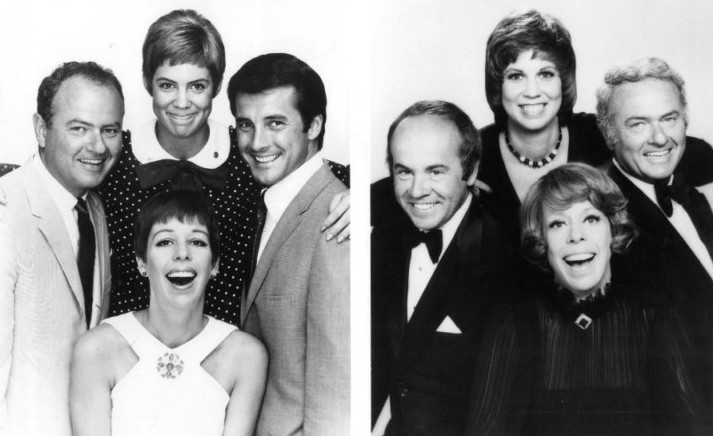
This collection brings together several memorable movie-inspired sketches featuring performers including Tim Conway and Vicki Lawrence. The sketches move through shark movies, romantic melodramas, classic horror stories, gangster films, and monster cinema. The result is a collection built around parody, exaggerated acting, unexpected character behavior, and the kind of comic timing that made the show so distinctive.
Movie Parodies With a Completely Different Kind of Logic
Movie parodies work because the audience already understands the basic language of the original genre. A suspenseful soundtrack suggests danger. A mysterious transformation suggests horror. A romantic reunion suggests emotional drama. A gangster confrontation suggests that something terrible is about to happen.
The comedy begins when those expectations suddenly stop making sense.
In these sketches, familiar movie conventions are pushed into ordinary environments and exaggerated until they become absurd. A dangerous creature is no longer necessarily hiding in the ocean. A romantic relationship can stretch into an almost impossible amount of melodrama. A terrifying scientific transformation can become a domestic problem. Even a gangster story can turn into an increasingly complicated situation involving performers who simply happened to be in the wrong place.
That contrast gives the sketches their energy. The situations may resemble famous movies, but the characters behave as though they have wandered into an entirely different universe.
1. Sewer Shark — 0:05–11:00
The first sketch, Sewer Shark, takes the basic idea of a giant aquatic threat and moves it somewhere much less glamorous: the plumbing system of an apartment building.
Instead of a traditional seaside adventure, the characters have to deal with the possibility that something dangerous is moving through the building's pipes. That simple change of location immediately creates a different kind of comedy.
A shark is frightening when it is swimming toward someone in open water. A shark inside an apartment building is another matter entirely. Suddenly everyday plumbing becomes a potential source of danger.
Turning an Ordinary Building Into a Monster Movie
One of the funniest elements of the premise is the collision between an ordinary residential environment and the language of a dramatic creature-feature movie.
The characters approach the plumbing problem with the seriousness normally reserved for a major cinematic threat. That seriousness makes the situation even more ridiculous because the audience can see how completely inappropriate the response is for such an unusual problem.
Tim Conway's style is particularly effective in this type of material. Rather than needing a complicated joke every few seconds, he can stretch a reaction, pause at exactly the right moment, or allow an awkward situation to continue longer than expected.
The sketch therefore becomes less about the shark itself and more about how people respond when an impossible problem is treated as if it were perfectly normal.
Why the Premise Works
The joke is immediately understandable. The audience recognizes the movie reference, understands the danger associated with a shark, and then watches that concept collide with apartment maintenance.
That combination of recognizable cinema and everyday inconvenience gives the sketch a strong comedic foundation.
2. Mr. Schleington — 11:03–25:20
Mr. Schleington moves away from monster comedy and into the world of romantic melodrama.
The central relationship between Miss Franny and Mr. Schleington is presented with the kind of emotional intensity normally associated with sweeping romantic dramas. Their relationship develops over an unusually long period, allowing the sketch to exaggerate nearly every familiar element of the genre.
Instead of allowing romance to remain simple, the sketch keeps adding emotional weight to the relationship. Every interaction feels as though it should be the climactic moment of a much larger film.
When Romance Becomes Too Dramatic
Romantic movies often rely on longing, separation, reunion, misunderstanding, and emotional declarations. The parody takes those ingredients and pushes them far beyond their normal limits.
The humor comes from the contrast between how seriously the characters treat their relationship and how excessive the circumstances surrounding it become.
Vicki Lawrence is particularly well suited to this kind of sketch because she can play heightened emotion while still maintaining a strong comedic rhythm. Her reactions help make the relationship feel simultaneously dramatic and ridiculous.
The result is a parody of the entire language of romantic cinema rather than a simple imitation of one particular movie.
3. Dr. Jekyll and Mrs. Hyde — 25:22–32:21
The third segment turns toward classic horror with Dr. Jekyll and Mrs. Hyde.
The basic premise is familiar: a scientist undergoes a strange transformation that creates a dramatically different personality. But this version changes the perspective by placing greater attention on the doctor's wife and the consequences of having to live with someone whose identity can suddenly change.
A Horror Story Becomes a Domestic Problem
That change in perspective creates much of the comedy.
Traditional horror focuses on the transformation itself. This parody asks what happens when the transformation becomes part of everyday life.
Instead of simply running away from a monster, the characters have to deal with the practical complications created by the situation. The supernatural becomes almost like an unusually difficult household problem.
That is a recurring strength of comedy on The Carol Burnett Show: something that would be terrifying in a conventional film becomes funny once the characters are forced to deal with it in an ordinary, conversational way.
Tim Conway’s Comic Timing
Tim Conway's physical comedy and deliberately awkward timing work especially well in stories involving transformations.
A character does not always need to deliver a large punchline. Sometimes the funniest moment comes from a pause, a facial reaction, an exaggerated movement, or a character taking an absurd situation completely seriously.
Those small choices allow the sketch to keep escalating without becoming dependent on constant one-line jokes.
4. Some Like It Hotsy — 32:26–40:27
Some Like It Hotsy shifts the collection into gangster and crime-movie territory.
The story follows two performers who accidentally witness a mob killing and suddenly find themselves caught in a situation far more dangerous than anything they expected.
The premise naturally creates a chain reaction. Once the characters realize what they have seen, escaping the consequences becomes increasingly complicated.
From Performers to Unlikely Runaways
One of the classic comedy techniques in this type of story is placing ordinary people inside an extraordinary situation.
Professional criminals know how to behave in a gangster movie. These characters do not.
Their lack of preparation creates opportunities for misunderstandings, panic, awkward decisions, and increasingly strange attempts to stay out of trouble.
The parody also plays with the conventions of disguise and escape. Characters in classic crime movies often appear confident and calculating. Here, the people trying to escape are much more likely to make the situation worse through their own reactions.
Why the Comedy Escalates Naturally
Once the characters are placed in danger, every decision creates another problem.
That structure is ideal for sketch comedy because the writers can repeatedly increase the pressure without needing to abandon the original premise. One misunderstanding produces another, and the characters become trapped inside their own increasingly complicated solution.
The result is a crime parody that focuses less on realistic gangster behavior and more on the absurdity of ordinary people trying to survive a situation they were never prepared to handle.
5. Horror Salutes — 40:34–48:14
The final section, Horror Salutes, brings the collection back to classic monster cinema.
Rather than concentrating on one single story, the segment plays with recognizable horror imagery and ideas, including King Tut and The Bride of Frankenstein.
This makes the ending feel like a miniature tour through the visual language of old horror movies.
The Bride of Frankenstein Connection
The Frankenstein tradition provides plenty of material for parody because the original imagery is already so distinctive.
The dramatic laboratory, unusual transformations, exaggerated expressions, and monster conventions are instantly recognizable. Once those elements are exaggerated, even a small change can completely alter the mood.
The comedy does not need to destroy the original horror imagery. Instead, it uses that imagery as a foundation and changes the emotional meaning behind it.
King Tut and Historical Horror Imagery
The King Tut material adds another type of recognizable imagery to the sketch.
Ancient Egypt has long been associated in popular entertainment with mysterious tombs, curses, mummies, and supernatural discoveries. These familiar ideas can easily be exaggerated into comedy because audiences already understand the expectations surrounding them.
By placing those expectations inside the fast-moving style of television sketch comedy, the performers can move rapidly between dramatic poses and unexpected comic reactions.
What Makes These Movie Parodies Work?
The sketches in this collection are different in subject, but they share several important comedy techniques.
1. Familiar Stories
The audience does not need to learn an entirely new world before the jokes begin. Shark movies, romantic dramas, mad-scientist stories, gangster films, and horror movies all have recognizable conventions.
That gives the performers an immediate starting point.
2. Serious Acting in Ridiculous Situations
One of the most important ingredients is commitment.
The characters generally behave as though the events around them are real and important. The performers do not constantly remind the audience that they are in a comedy sketch.
That straight-faced approach makes the ridiculous moments stronger.
3. Physical Comedy
Tim Conway was especially effective when a scene allowed physical behavior to become part of the joke.
A movement, pause, expression, or awkward reaction can communicate something that would require several lines of dialogue in another style of comedy.
This is particularly useful in movie parodies because classic cinema often relies heavily on visual storytelling.
4. Genre Expectations
Every movie genre has its own rules.
Horror has suspense. Romance has emotional declarations. Crime movies have danger and escape. Monster movies have mysterious threats.
The sketches take those expectations and deliberately push them in unexpected directions.
Tim Conway’s Role in the Comedy
Tim Conway's contribution to this type of material goes beyond simply delivering jokes.
His performances often depend on rhythm. A scene can become funnier when a reaction lasts slightly longer than expected or when an ordinary action is performed with unusual hesitation.
That approach is especially valuable in parody because the humor often comes from the difference between what a scene appears to require and what the character actually does.
Rather than treating every moment as an opportunity for a punchline, Conway could allow a situation to develop until the audience began anticipating what would happen next.
That anticipation itself becomes part of the joke.
Vicki Lawrence and the Strength of Character Comedy
Vicki Lawrence brings a different energy to the sketches.
Her performances often work because the character has a clear attitude toward the situation. Whether the material involves romance, danger, or an exaggerated dramatic scenario, her reactions give the scene another perspective.
This is important in ensemble comedy. A sketch becomes much stronger when different performers respond to the same ridiculous event in completely different ways.
One character may panic. Another may become emotional. Another may remain strangely calm. The contrast creates additional jokes without requiring the script to explain every situation.
Watch the Complete Movie Parody Compilation
The compilation runs through several different styles of movie parody, making it a useful showcase of how The Carol Burnett Show could transform familiar cinematic ideas into television comedy.
From the apartment-building chaos of Sewer Shark to the romantic exaggeration of Mr. Schleington, the transformation story in Dr. Jekyll and Mrs. Hyde, the crime adventure of Some Like It Hotsy, and the classic horror references in Horror Salutes, each section uses a different genre as its comedic playground.
If you are watching the compilation for the first time, the timestamps make it easy to jump directly to a particular parody.
Movie Parody Timeline
| Sketch | Timestamp | Genre / Inspiration |
|---|---|---|
| Sewer Shark | 0:05–11:00 | Monster / shark movie parody |
| Mr. Schleington | 11:03–25:20 | Romantic drama parody |
| Dr. Jekyll and Mrs. Hyde | 25:22–32:21 | Classic horror parody |
| Some Like It Hotsy | 32:26–40:27 | Gangster / crime movie parody |
| Horror Salutes | 40:34–48:14 | Classic horror and monster parody |
Frequently Asked Questions
Who appears in these movie parodies?
The compilation features performers from The Carol Burnett Show, including Tim Conway and Vicki Lawrence. Their contrasting comedic styles help give the sketches different personalities.
What movies and genres are being parodied?
The collection draws on several types of cinema, including shark and monster movies, romantic dramas, classic horror, gangster films, and Frankenstein-inspired horror.
How long is the compilation?
The final listed segment, Horror Salutes, ends at approximately 48:14, making the collection a substantial selection of movie-themed sketches.
Why are movie parodies effective in sketch comedy?
Movie parodies work particularly well when audiences already recognize the genre being referenced. The performers can then exaggerate familiar situations, characters, visual conventions, and dramatic reactions to create new jokes.
Which segment should viewers start with?
The compilation is designed to work as a continuous collection, so viewers can begin at the start and experience the sketches in sequence. The timestamps above can also be used to jump between genres.
Final Thoughts
This collection demonstrates why movie parody became such a natural fit for The Carol Burnett Show.
The performers did not need to recreate an entire Hollywood production. They only needed a recognizable premise, a few familiar genre conventions, and enough room for the characters to behave in completely unexpected ways.
Sewer Shark turns plumbing into a monster-movie setting. Mr. Schleington stretches romantic melodrama into comic territory. Dr. Jekyll and Mrs. Hyde turns a classic transformation story into a more personal problem. Some Like It Hotsy places performers in the middle of a dangerous crime story, while Horror Salutes revisits some of the most recognizable imagery from classic horror cinema.
Together, the sketches show the flexibility of the show's comedy. The source material changes from one segment to the next, but the central idea remains the same: take something familiar, change its logic, and let talented performers push the situation as far as possible.
For fans of Tim Conway, Vicki Lawrence, classic television comedy, or vintage movie parody, this compilation offers a broad look at the imaginative style that made The Carol Burnett Show such a memorable part of American television comedy.