Inside the 2026 Emmys: Taylor Swift’s Secret Cameo, Olivia Benson the Cat, and Emotional Tributes
Inside the 2026 Emmys: Taylor Swift’s Secret Cameo, Olivia Benson the Cat, and Emotional Tributes
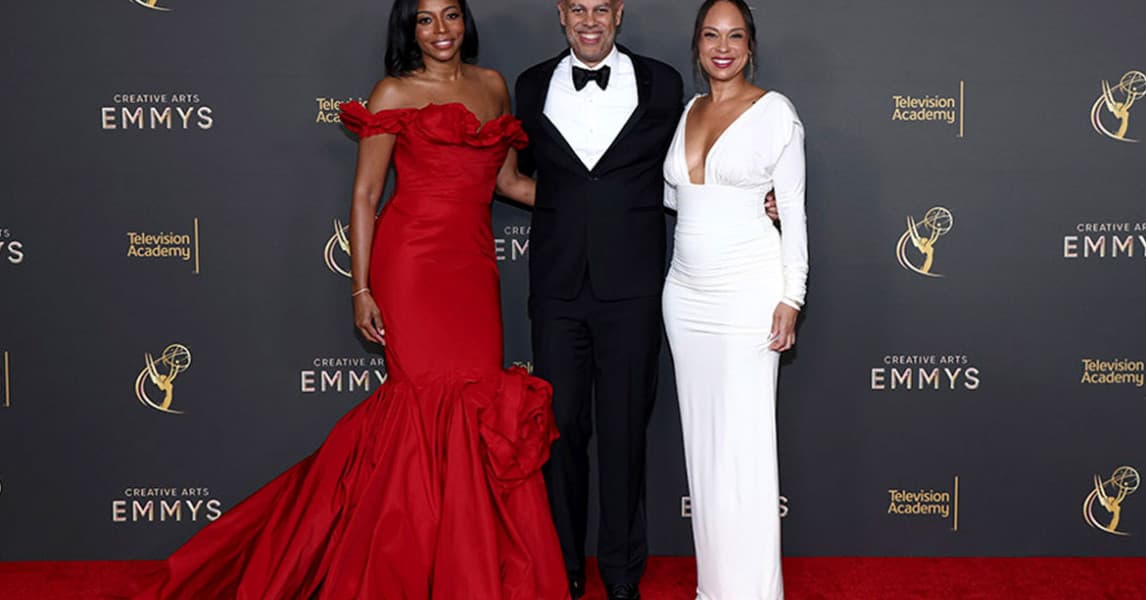
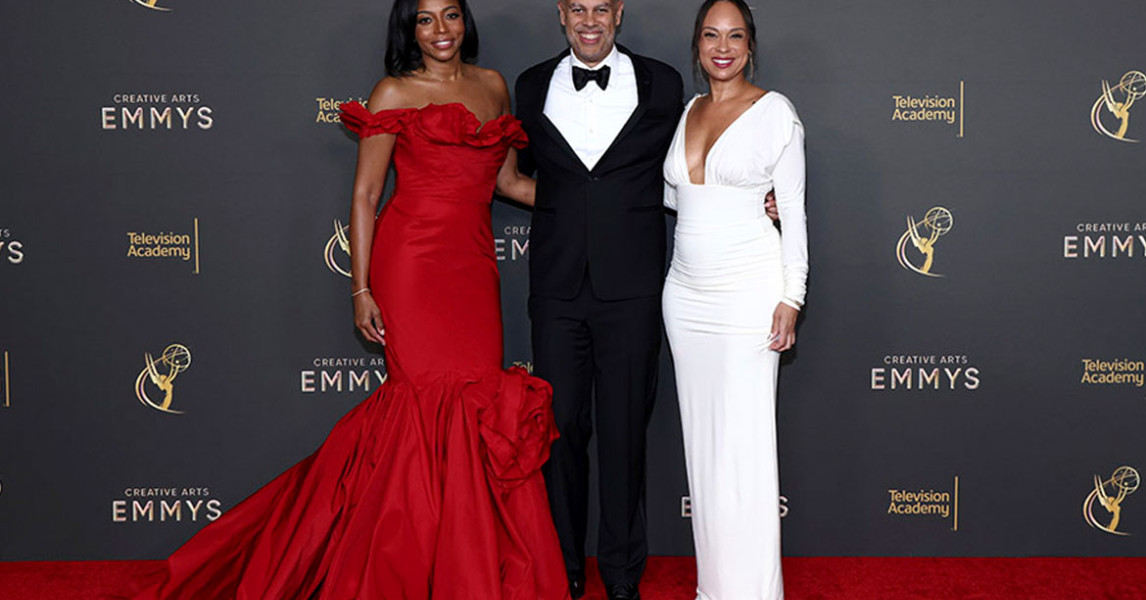
Behind every memorable awards show is a production team working through countless creative decisions, last-minute changes, and carefully coordinated surprises. At the 2026 Primetime Emmy Awards, producers Jesse Collins, Dionne Harmon, and Jeannae Rouzan-Clay helped bring together celebrity appearances, emotional tributes, and unexpected comedy for television's biggest night.
In a behind-the-scenes discussion, the producers shared stories about Reba McEntire's tribute to Dolly Parton, Jamie Lee Curtis's personal remembrance of Robin Williams, and the secret Taylor Swift cameo in a Law & Order: Special Victims Unit sketch. One of the most charming revelations involved Swift's real-life cat, Olivia Benson, who made a surprise appearance alongside the singer.
Their accounts show that a live awards ceremony is about much more than what viewers see on stage. It takes careful planning, trust, communication, and the ability to make unexpected ideas work under pressure.
Taylor Swift's Secret SVU Cameo Took Careful Planning
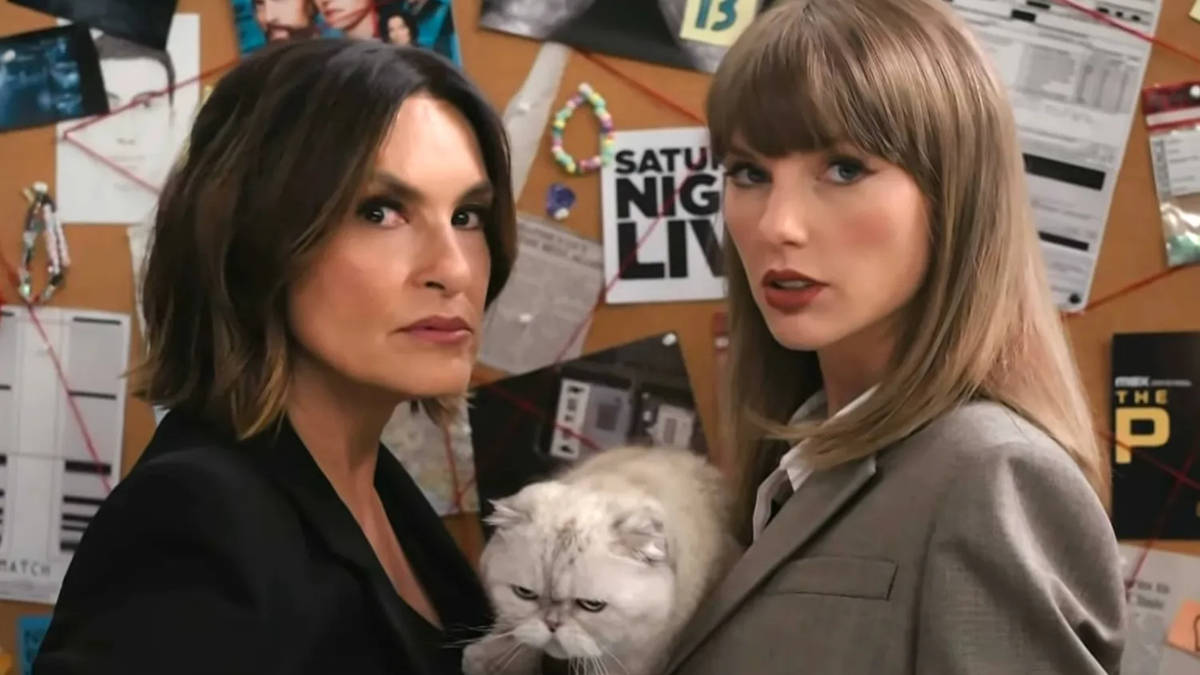
One of the biggest surprises of the 2026 Emmys was a pre-recorded sketch featuring Taylor Swift alongside host Mariska Hargitay, who is famous for playing Detective Olivia Benson on Law & Order: SVU. The sketch playfully investigated whether Swift would attend the awards ceremony, turning the singer's reputation for hidden clues into the premise of a mock police case.
According to the producers, the idea emerged during early planning discussions with Hargitay and her writing team. The collaboration made sense because Swift and Hargitay are longtime friends, and Swift is also a genuine fan of the crime drama.
The sketch was filmed on the actual SVU set in New York in late August, weeks before the Emmy broadcast. The production team kept the appearance under wraps, limiting knowledge of the plan to a small group of people. That secrecy was essential: revealing Swift's involvement too early would have taken away much of the surprise.
The cameo also gave Swift an opportunity to contribute creatively. The producers said she had ideas for the scene, particularly the show's references and Easter eggs. She wanted those details to feel authentic to SVU and accurate enough for devoted fans to recognize.
The Real Olivia Benson Stole a Scene
Perhaps the most delightful behind-the-scenes revelation was that the cat seen in the sketch was Swift's real pet, Olivia Benson. The cat is named after Hargitay's character, making the appearance a playful connection between the singer's personal life and one of her favorite television shows.
The producers explained that including the cat was a last-minute idea from Swift. Rather than being part of the original plan, the feline cameo was suggested the night before and quickly became part of the scene.
It was a small addition with a big payoff. The sketch already played with the idea of Swift's clues and her relationship with Hargitay, but bringing in the actual cat created a moment that could not be replicated simply by writing another joke. It added a personal touch that fans immediately understood.
The detail also demonstrates why flexibility matters in entertainment production. A last-minute idea can improve a scene if the team has enough time and coordination to make it work. In this case, the cat transformed an already surprising cameo into a more memorable pop-culture moment.
Why the Surprise Had to Stay Secret
Keeping a celebrity appearance secret can be surprisingly difficult. A production involves scripts, call sheets, filming schedules, crew members, costumes, props, and location arrangements. Any one of those details can reveal the identity of a guest if it reaches the public too early.
The producers described a tightly controlled process that involved only a small circle of people. The team also had to film on a real television set while ordinary activity continued nearby. That meant balancing the practical needs of a production with the importance of keeping Swift's involvement confidential.
Secrecy was not just about preventing leaks. It helped preserve the joke at the center of the sketch: viewers were invited to wonder whether Swift would appear, only to discover that the answer was hidden inside the program itself.
When a surprise is promoted in advance, audiences begin anticipating it. When it arrives unexpectedly, the reaction can be more immediate. The producers' careful planning helped create that sense of discovery.
Reba McEntire's Tribute to Dolly Parton
Not every major moment at the ceremony relied on surprise or comedy. Reba McEntire delivered a heartfelt tribute to Dolly Parton, drawing on the long-standing connection between two prominent figures in country music.
According to the producers, McEntire chose a song connected to her first HBO concert special for the performance. The tribute was also made more personal by the jewelry she wore: one of Parton's own butterfly rings was lent for the occasion.
That detail gave the performance a sense of intimacy. Rather than relying solely on a song choice or a visual tribute, the appearance incorporated something that belonged to Parton herself. Personal objects can carry emotional meaning because they connect a public performance to the individual being honored.
The producers also discussed the importance of placing emotional segments carefully within the larger broadcast. A ceremony needs changes in tone, allowing comedy and spectacle to coexist with sincere moments of remembrance and recognition.

Jamie Lee Curtis's Personal Tribute to Robin Williams
Another emotional moment involved Jamie Lee Curtis and her remembrance of Robin Williams. The producers described her remarks as heartfelt and unscripted, turning a planned segment into something more personal.
Unscripted moments can be powerful because they reveal the speaker's genuine connection to the person being remembered. A written tribute provides structure and helps a broadcast stay on schedule, but personal memories can introduce details and emotions that a prepared script may not capture.
For a live awards show, this creates a delicate balance. Producers need to maintain the running order, but they also have to recognize when a moment deserves space to breathe. The strongest tributes often feel less like formal announcements and more like a person sharing a meaningful memory with an audience.
The producers' account highlights the value of allowing authentic emotion to emerge within a carefully organized event. Not every moment can be planned in advance, and sometimes the most memorable part of a segment is what happens beyond the script.
Michael J. Fox and the Bob Hope Humanitarian Award
The producers also discussed the decision to recognize Michael J. Fox with the Bob Hope Humanitarian Award for his advocacy work related to Parkinson's disease.
Fox has spent years helping raise awareness of Parkinson's and supporting research into the condition. His advocacy has become an important part of his public legacy alongside his work as an actor. The recognition provided an opportunity to focus on the impact he has made beyond the screen.
The production team wanted the presentation to feel meaningful rather than routine. Awards ceremonies often celebrate professional achievements, but humanitarian recognition asks the audience to consider how a public figure can use their platform to support a broader cause.
Creating that kind of moment requires attention to tone, timing, and context. The segment needs to communicate why the honoree's work matters without losing the personal dimension that makes the recognition resonate with viewers.
Group Texts, Emergency Zooms, and Constant Communication
Behind the polished broadcast was a demanding production process. Collins, Harmon, and Rouzan-Clay described the constant communication required to coordinate multiple surprises and make sure each segment was ready when needed.
Group text messages, urgent video calls, and rapid decisions helped the team respond to changing circumstances. The production involved creative discussions as well as practical questions about schedules, locations, technical requirements, and the time available between segments.
Live television leaves little room for delays. A change in one part of the show can affect transitions, rehearsals, camera setups, and the running order. Producers must therefore consider not only whether an idea is entertaining, but also whether it can be executed safely and effectively within the available time.
The Taylor Swift sketch illustrates this challenge particularly well. The team needed to organize a secret shoot, coordinate with the SVU production environment, accommodate Swift's participation, and preserve the surprise until broadcast. The cat's last-minute addition introduced another moving part, yet the team found a way to incorporate it.
Balancing Comedy with Emotional Moments
Awards shows are difficult to produce because they must serve several purposes at once. They celebrate achievements, entertain a broad audience, honor people who have passed away, and make room for personal stories. Moving between these tones requires careful sequencing.
The producers explained that the placement of emotional segments was deliberate. A show filled only with serious speeches could feel heavy, while a broadcast focused exclusively on comedy might fail to give important tributes the attention they deserve.
The most effective ceremonies find a balance. A surprising sketch can energize the audience, while a tribute or humanitarian presentation can create a quieter moment of reflection. The contrast helps each segment feel distinct rather than allowing the entire show to settle into one emotional register.
What the Producers' Stories Reveal About the Emmys
The behind-the-scenes accounts reveal that the Emmys are as much a collaborative production as they are an awards ceremony. Performers may be the faces viewers recognize, but producers, writers, stage managers, technical teams, and many others shape the experience.
Some of the best moments come from a carefully developed plan, while others emerge through personal contributions or last-minute ideas. Swift's decision to bring her cat into the sketch is a particularly clear example of how a small creative suggestion can become a highlight.
The tribute performances and humanitarian recognition demonstrate another side of the work: the responsibility to present emotional material with care. The production team must make those moments fit into a live broadcast without making them feel rushed or impersonal.
Watch the Full Behind-the-Scenes Interview
The interview offers more detail about the decisions behind the ceremony, from the secrecy surrounding Taylor Swift's cameo to the personal touches that made the tributes memorable. It also gives viewers a sense of the constant communication and coordination required to bring the show together.
Final Thoughts
The 2026 Emmys brought together spectacle, comedy, personal tributes, and moments of genuine emotion. The producers' stories show how much planning goes into creating an event that feels spontaneous to viewers, especially when a surprise appearance must remain secret until the broadcast.
Taylor Swift's cameo became particularly memorable because it combined several elements: her friendship with Mariska Hargitay, her affection for SVU, a series of playful Easter eggs, and the unexpected appearance of her real cat, Olivia Benson. Reba McEntire's tribute to Dolly Parton and Jamie Lee Curtis's personal remembrance of Robin Williams offered a different kind of impact, reminding audiences of the lasting relationships behind entertainment.
Together, these moments demonstrate that a successful awards show depends on more than a list of winners. It requires creative ideas, thoughtful storytelling, careful logistics, and a production team ready to adapt when an unexpected opportunity makes the show even better.