Zidane’s Tactical Problems Become Clear After France Draw Italy
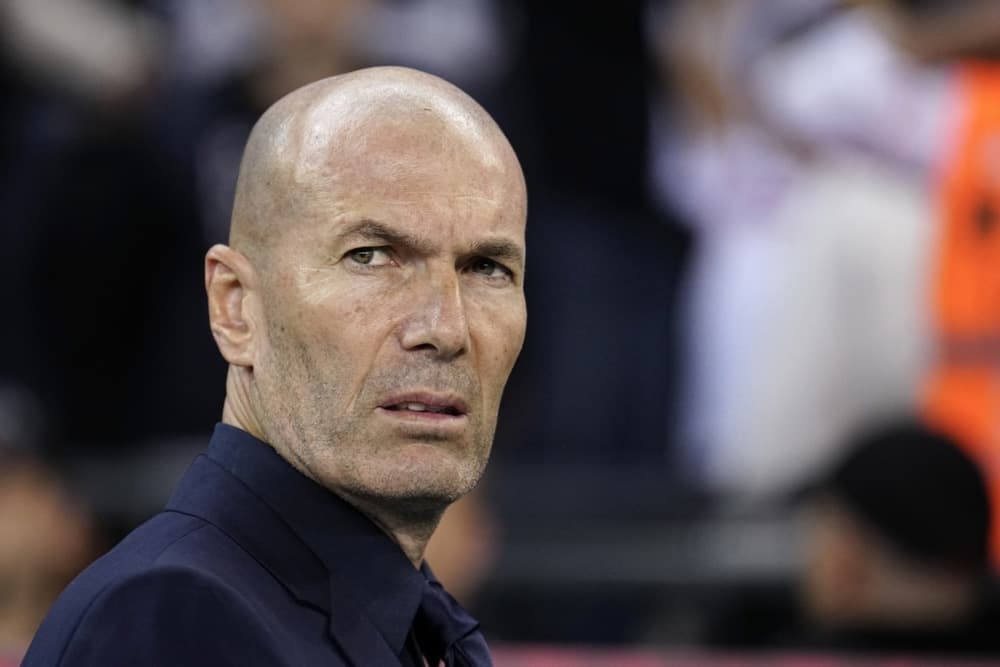
Zidane’s Tactical Problems Become Clear After France Draw Italy
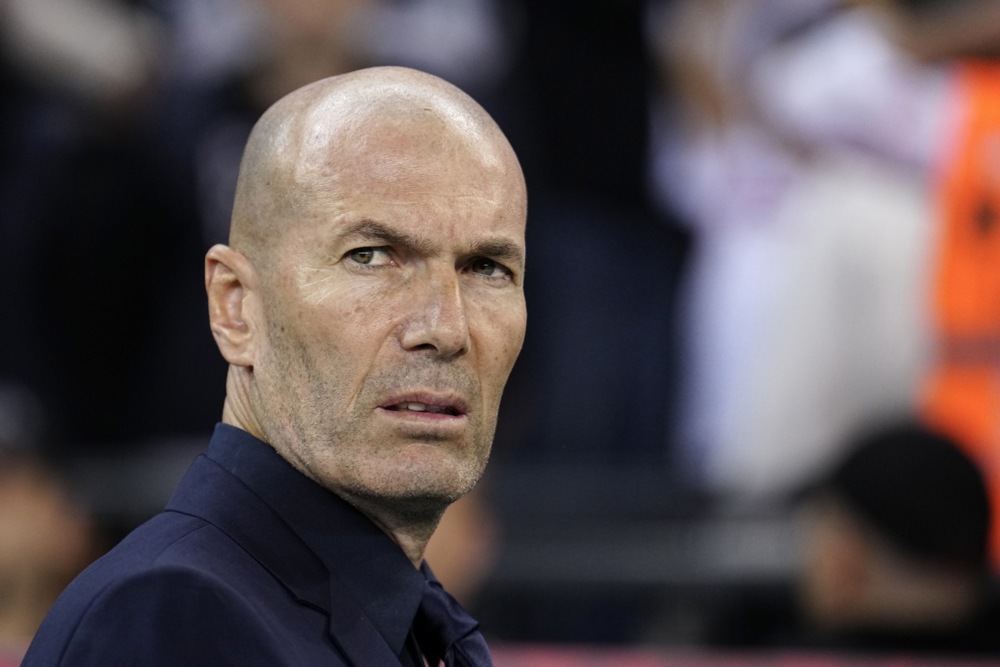
Zinedine Zidane’s first home match in charge of France ended with a 1-1 draw against Italy. While Michael Olise provided a moment of individual brilliance, the result also exposed several tactical issues that the new manager still needs to address.
A crowd of 77,118 filled the Stade de France to welcome Zidane for his first appearance at the stadium as France manager. The atmosphere was spectacular, but the match itself proved considerably more complicated as Italy’s disciplined defensive approach exposed weaknesses in France’s structure.
Olise Provides the Breakthrough
France enjoyed long spells of possession, but Italy remained compact and difficult to break down.
The deadlock was finally broken after 55 minutes through an outstanding individual effort. Rayan Cherki found Michael Olise, who produced a superb free-kick that curled over the defensive wall and into the net, giving Gianluigi Donnarumma little chance to react.
The goal continued Olise’s impressive record from outside the penalty area. Since joining Bayern Munich, the midfielder has established himself as a dangerous long-range shooter and has repeatedly shown his ability to change matches with moments of individual quality.
Olise had already played an important role during Zidane’s early spell in charge, scoring the decisive goal against Belgium. His creativity and shooting ability could become increasingly important as France look for greater consistency in attack.
France Struggle Under Pressure
Despite controlling possession for significant periods, France struggled to consistently break down Italy’s defensive organization.
One of the clearest problems appeared when France attempted to build attacks from the back. A poor touch from Lucas Da Cunha allowed Alessandro Bastoni to win possession and immediately attack the space in front of him.
Bastoni quickly turned the opportunity into an equalizer, finishing past Mike Maignan and bringing Italy back into the game.
The goal highlighted an important issue for France: possession does not necessarily mean control. When Italy increased the pressure, France occasionally struggled to maintain their structure and were vulnerable when possession was lost.
Italy’s Direct Approach Causes Problems
Italy were comfortable spending long periods without the ball. Their possession share was only around 34 percent, yet they remained dangerous through direct passing, set pieces and physical play.
Moise Kean and Davide Frattesi created problems with their movement and presence in the final third, forcing France’s defenders into difficult situations on several occasions.
Italy also came close to winning the match in the closing stages. Nico Barella found space inside the penalty area, but his effort narrowly missed the crossbar.
The final minutes therefore provided another warning for Zidane. France may have controlled possession for much of the match, but Italy still created chances capable of deciding the result.
Positive Signs From France’s Young Players
There were nevertheless several positives for Zidane to take from the performance.
The draw means France have collected seven points from Zidane’s first three matches, following narrow victories over Turkey and Belgium.
Several young players have also given the new manager reasons for optimism. Jeremy Jacquet and Adrien Truffert produced encouraging performances, while Da Cunha had previously impressed during the victory over Belgium despite his costly mistake against Italy.
Discipline remains another area that requires attention. Dayot Upamecano was sent off late in the match after receiving a second yellow card for a foul on Kean, making France’s task even more difficult during the final stages.
Zidane Has Work to Do
Zidane’s return to the French national team has generated enormous attention, and the packed Stade de France demonstrated the excitement surrounding his appointment.
However, the 1-1 draw against Italy showed that creating a balanced and reliable team will take time.
France possess enough individual quality to produce spectacular moments, with Olise’s free-kick providing a perfect example. At the same time, Zidane will need to improve the team’s response to pressing, defensive transitions and direct attacks.
After three matches, the early results provide encouraging signs, but the performance against Italy also suggests that France’s tactical structure remains a work in progress. Zidane’s next challenge will be turning a talented group of players into a more cohesive and consistent team.