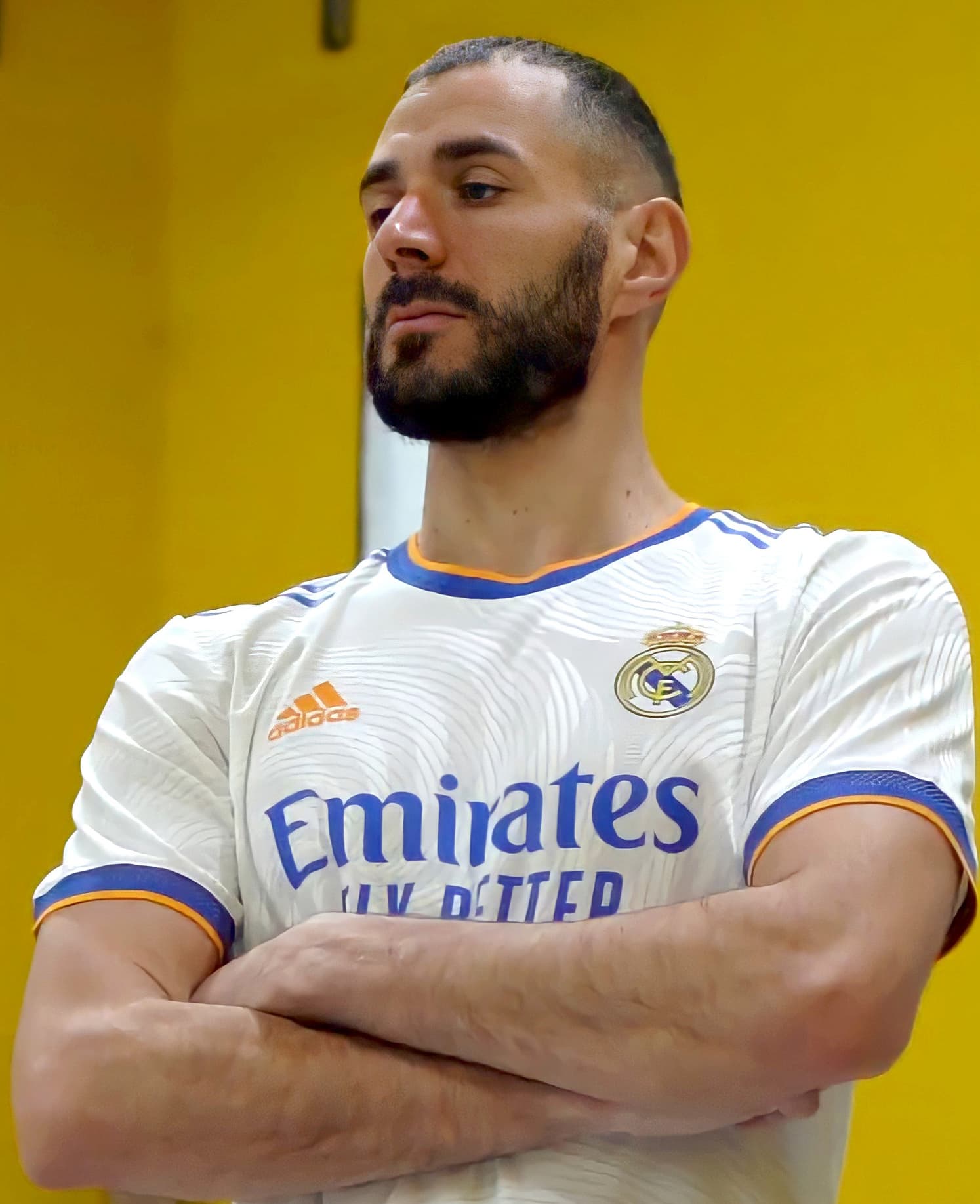
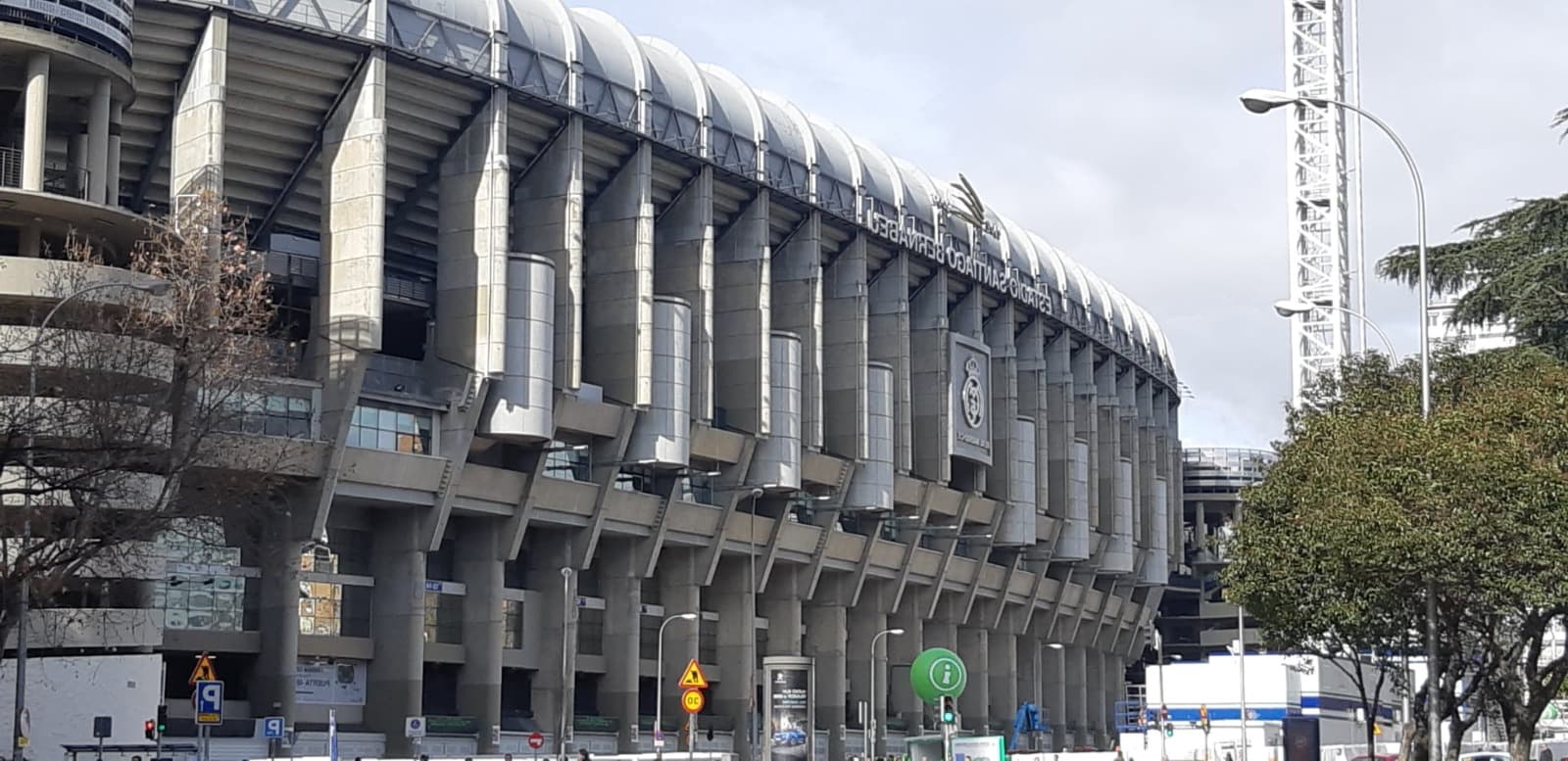
Zidane’s Tactical Problems Become Clear After France Draw Italy

Zidane’s Tactical Problems Become Clear After France Draw Italy

Zinedine Zidane’s highly anticipated return to the Stade de France as manager of the French national team concluded in a tense, tactically exhausting 1–1 draw against a revived Italian side under Luciano Spalletti. While the capacity crowd of 77,118 supporters in Saint-Denis erupted when Michael Olise produced a breathtaking second-half free kick, the ninety minutes laid bare fundamental structural issues within France's squad dynamics, defensive transition balance, and midfield circulation that require urgent recalibration before upcoming tournament qualifiers.
Zidane was greeted like returning royalty before kickoff, serenaded by standing ovations that evoked memories of his legendary 1998 World Cup heroics on this very turf. Yet international management offers little room for romantic nostalgia. Italy arrived with a meticulously executed game plan, sitting in a compact 5-3-2 defensive shell that completely neutralized France’s central avenues and exposed the defensive fragilities left behind by an overly ambitious French forward line.
1. Midfield Stagnation in the 4-2-3-1 Blueprint
Throughout his trophy-laden tenure at Real Madrid, Zidane built his tactical foundation upon a trio of world-class midfielders—Casemiro, Luka Modrić, and Toni Kroos—who could dictate tempo, escape heavy pressing, and shield the back line with instinctive positioning. With Les Bleus, however, replicating that balance has proven far more problematic.
Zidane deployed a double pivot tasked with balancing defensive security with line-breaking progression. Yet during the first forty-five minutes, France monopolized 67 percent of possession without penetrating Italy’s low defensive block. The circulation was largely horizontal, recycling between center-backs and deep midfielders while Italy comfortably shifted laterally across the pitch.
Without an elite tempo-controller capable of delivering sharp diagonal balls into the half-spaces, France repeatedly found themselves forced into sterile wide areas. Whenever the ball reached the flanks, Italy’s wing-backs and outside center-backs doubled up, restricting crossing opportunities and forcing France into backward passes that invited Italian pressure.
2. Michael Olise: Individual Genius Masking Structural Flaws
Just as frustration began mounting across the Parisian stands in the 55th minute, France were rescued by a piece of sheer individual virtuosity. Rayan Cherki won a foul twenty-eight yards from goal after drawing a desperate challenge from Nicolò Barella. Michael Olise stepped up, striking a dipping, curling left-footed effort that bent around the defensive wall and struck the inside of the post before nestling in Gianluigi Donnarumma’s net.
The goal confirmed Olise’s status as one of Europe’s premier dead-ball technicians. Since his high-profile transfer to Bayern Munich, the dynamic playmaker has regularly turned matches with individual sparks of brilliance. Nevertheless, reliance on moments of magic highlights a deeper concern: France are currently depending on individual skill to win matches rather than relying on cohesive attacking routines.
3. Dangerous Defensive Transitions and Bastoni’s Exploitation
Rather than galvanizing the home side into sustained dominance, the breakthrough goal seemed to disrupt France’s positional discipline. Pushing both full-backs high up the pitch to search for a decisive second goal, France left huge expanses of unoccupied grass behind them.
Italy seized the opportunity on the counter. A careless giveaway by Lucas Da Cunha in the midfield third initiated a rapid transition. Alessandro Bastoni broke unchecked down Italy’s left wing, exploiting the vacated space behind the French defensive line. Bastoni delivered a precision low delivery across the six-yard box, allowing Moise Kean to prod home the equalizer past a stranded Mike Maignan.
The concession laid bare France’s vulnerability in defensive rest-organization. Top international teams ensure that at least three defensive players remain anchored behind the ball during sustained spells of possession. Against Italy, France repeatedly committed seven players ahead of the ball, leaving their central defenders isolated in wide footraces against dynamic counter-attackers.
4. Dayot Upamecano’s Dismissal: The Composure Dilemma
Any hope France retained of mounting a late siege on the Italian goal vanished in the 79th minute when Dayot Upamecano was shown a second yellow card for a mistimed sliding tackle on Davide Frattesi. The dismissal forced Zidane to withdraw attacking options in favor of defensive reinforcement, ensuring France spent the final ten minutes clinging on for a point.
Upamecano’s dismissal reignited long-standing questions regarding his decision-making in high-pressure international fixtures. While possessed of exceptional physical and recovery pace, his tendency to gamble on aggressive forward interceptions frequently leaves France walking a disciplinary tightrope against astute tacticians like Spalletti.
5. Tactical Comparison: Zidane’s Early France vs. Deschamps’ Pragmatism
Inevitably, comparisons with Didier Deschamps’ decade-long regime have surfaced among French media analysts. Deschamps was often criticized for prioritizing defensive pragmatism over aesthetic flair, yet his tournament record—two World Cup finals and a Nations League title—was built upon unbreakable defensive solidarity and ruthless efficiency.
Zidane’s philosophy aspires to greater fluidity and proactive pressing, but international football affords minimal training time to drill complex pressing triggers. When pressing structures are slightly mistimed by a fraction of a second, elite opponents easily bypass the first line of pressure, as Italy demonstrated repeatedly in Saint-Denis.
6. Key Adjustments Zidane Must Prioritize Before Tournament Play
To transform a talented collection of individual superstars into a cohesive tournament-winning collective, Zidane and his coaching staff must address three tactical imperatives:
- Establishing a Dedicated Defensive Shield: France must deploy an anchor midfielder whose primary responsibility is screening the central defenders rather than vacating space to join forward attacks.
- Speeding Up Ball Circulation: Eliminating excessive touches in the middle third and incorporating quicker one-touch combinations through the half-spaces will prevent low blocks from resetting.
- Asymmetrical Full-Back Deployments: Rather than pushing both full-backs forward simultaneously, holding one full-back deeper to form a back three in possession will provide insurance against counter-attacks.
Final Analytical Verdict
Collecting seven points from his opening three fixtures—including tight wins over Turkey and Belgium—represents an acceptable statistical start for Zinedine Zidane’s managerial reign. However, the performance against Italy delivered a valuable, timely diagnostic reality check. Talent alone will not guarantee international silverware; tactical cohesion, rest-defense discipline, and emotional maturity under adversity remain the true hallmarks of championship teams.